
Even with professional help, keeping up with evolving home decor trends is essential. Wet rooms have emerged as a popular bathroom option. Before delving into specifics, it's crucial to understand the fundamental aspects of bathroom design. How would you characterize the essence of bathrooms?
- Quarter bath / 0.25 bath - Toilet, no sink, no shower, no tub.
- Half bath/0.5 bath- Sink, toilet. There is no shower.
- Three quarters/ 0.75 Bath- Sink, toilet, and shower
- Full bathroom All: toilet, sink and shower.
- Wetroom- It all depends on what flooring you choose.
In certain regions, it's not uncommon to find bathrooms where the toilet and shower share the same area. Homes may feature configurations like 2.5 or 3.25 baths based on their layout.
The evolving world of home design sees a rise in open-plan kitchens and master bedrooms with en-suite bathrooms. Wet rooms represent an innovative take on open-plan bathroom concepts. But what exactly defines these wet rooms?
What's a wetroom?

A wet room epitomizes the concept of an open-plan bathroom where the shower seamlessly blends with the rest of the space. Interior designers have a plethora of options to fashion this area according to their preferences and styles.
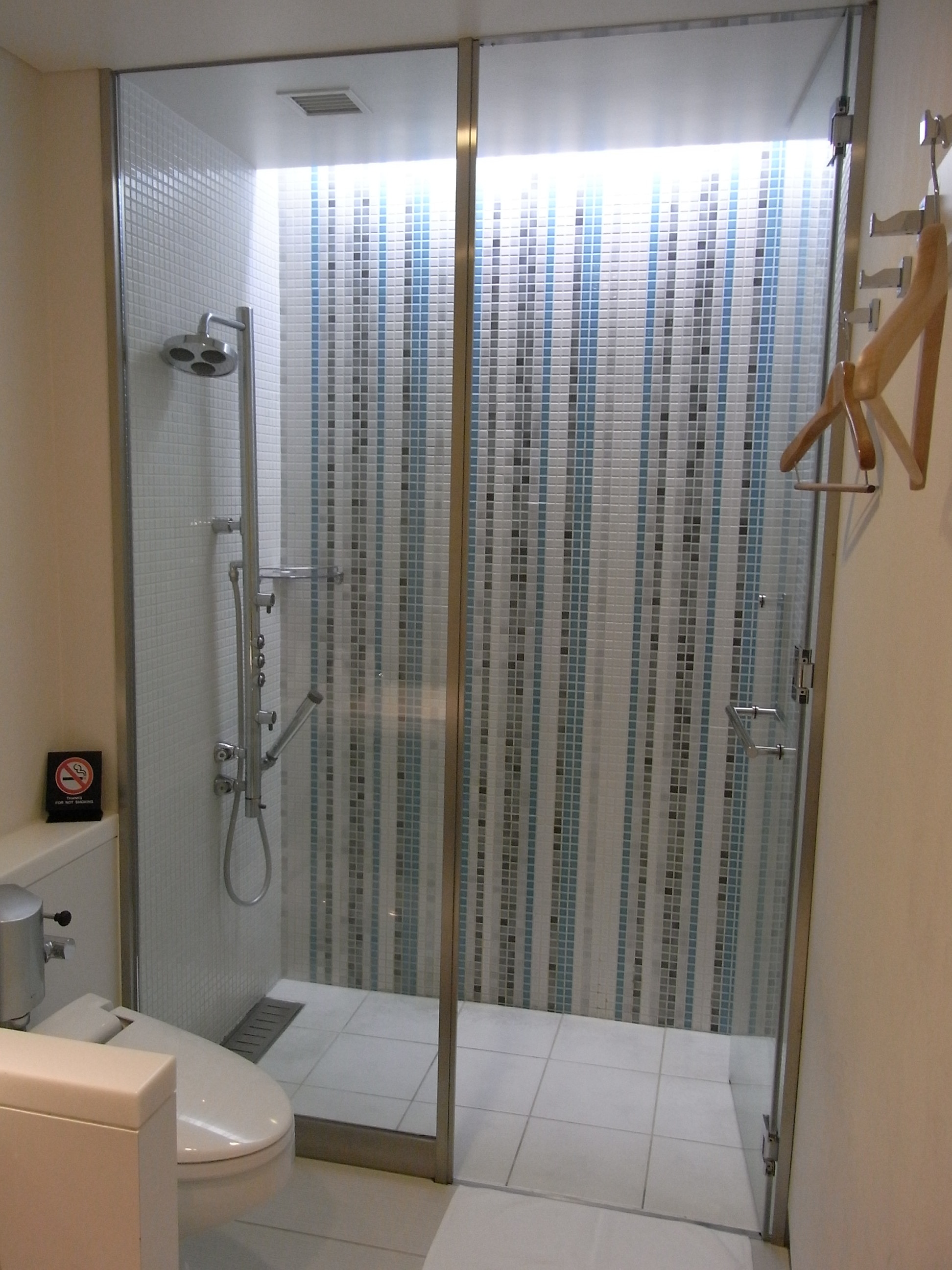
In a wet room, the shower is integrated into the larger floor area without any partitions, fostering a sense of continuity. Opting for a half or full-glass shower door and extending the same flooring throughout the room creates a cohesive look.
Replacing the bathtub with a shower faucet enhances the openness of the space, while incorporating a hand-held shower in the tub area further adds to the sense of spaciousness.
Eliminating the shower tray and tiling the floor with uniform slabs contributes to the sleek and minimalist aesthetic of a wet room. With no raised sections or steps, a wet area offers a seamless and spa-like experience, maximizing the utilization of space in your bathroom and elevating its overall value.
What's the Difference between a Wet Room & a Regular Bathroom?

In many movies, the iconic "group shower scene" is a common sight, whether it's in a locker room or at the gym. This portrayal often creates a sense of openness where individuals can see each other without barriers. Interestingly, you can replicate this communal shower experience in your own home, transforming it into your very own wet zone.
Unlike traditional bathrooms, the shower in a wet room is typically not segregated from the rest of the space. While a bathtub might still be present, the focal point is often a standard shower. Gone are the shower trays and doors commonly found in conventional bathrooms. Instead, you might opt for a partial-glass partition, allowing for a seamless transition between the shower area and the rest of the room.
In a wet room, there's no need for steps or raised sections as the floor continues uninterrupted, enhancing the sense of spaciousness and accessibility. Moreover, the entire room is waterproofed from floor to ceiling, ensuring durability and functionality. While the typical wet room setup may vary, the overarching theme revolves around creating a space that promotes openness and functionality, tailored to your preferences and needs.
Would You Like a Wet Room?
Recent demographic data highlights a significant shift in global population dynamics, with an increasing number of individuals aged 60 and above. Concurrently, lifestyle preferences are evolving, with a growing trend towards independent living among seniors and a rise in multigenerational households.
In response to these demographic changes, home renovations geared towards enhancing accessibility and comfort for elderly or mobility-impaired family members are becoming increasingly prevalent. Key modifications may include the installation of grab bars, railings, and wheelchair-friendly features in bathrooms. Wet rooms offer a versatile solution to accommodate such needs seamlessly.
Moreover, younger individuals, particularly those opting for single-person living arrangements and delaying marriage, are driving the demand for compact yet functional living spaces. As urban dwellings become smaller and rental costs escalate, the incorporation of a compact wet room can optimize space utilization while elevating the overall living experience.
Unlike conventional bathrooms, wet rooms present a distinct concept, characterized by a single, spacious shower area devoid of partitions. The comprehensive waterproofing, known as tanking, ensures unparalleled durability and protection against water damage or leakage, making wet rooms a practical and stylish choice for modern living spaces.
The Benefits of a Wet Room
Embracing the idea of a wet room can rally support from your spouse or neighbor, especially when tackling plumbing issues. While the initial investment may seem steep, the advantages are undeniable:
Ready-made wet room kits streamline the renovation process, simplifying bathroom upgrades. Opting for waterproof flooring materials enhances not only the bathroom's aesthetics but also the overall value of your home. With no raised shower tray, wet rooms offer enhanced accessibility, particularly beneficial for elderly individuals. The expansive shower area allows for indulgent steam showers, catering to those who relish thorough cleansing rituals. Transforming a compact bathroom into a spacious wet room breathes new life into older properties or refurbished homes. Reduced clutter is a natural outcome of the streamlined design, especially valuable in bathrooms with limited storage space.
However, it's essential to weigh the cons:
Waterproofing an entire room can be a costly endeavor. Increased water and energy consumption in wet rooms may lead to higher utility bills over time. Some individuals may feel overwhelmed by the spaciousness of a wet room, lacking the cozy feel of traditional bathrooms.
What to Consider When Installing a Wet Room
When considering the installation of a wet room, the process is straightforward and accessible. Plumbing experts attest to its simplicity and efficiency, and with the availability of wetroom kits online or in stores, research and procurement are convenient. Here are the key aspects to prioritize:
1. Drainage Evaluation: Assess the drainage capacity, particularly for wet rooms on upper floors, to ensure proper water management and prevent potential issues.
2. Space Optimization: Choose space-saving fixtures like concealed piping and recessed showerheads to maximize the open layout characteristic of wet rooms.
3. Minimalist Design: Embrace minimalist design elements such as chrome accents and metallic finishes to complement the sleek aesthetic of wet rooms and create a spa-like atmosphere.
4. Luxurious Additions: Consider integrating luxury features like thermal flooring and recessed lighting to elevate the overall ambiance and comfort of the wet room.
5. Storage Solutions: Implement built-in niches to accommodate bathroom essentials, replacing traditional drawers and cabinets to maintain a clutter-free environment.
6. Moisture Management: Address moisture accumulation by opting for quick-drying materials and ensuring adequate ventilation to prevent mold and mildew growth.
7. Safety Measures: Enhance safety with the addition of grab bars or handgrips, especially in steamy environments, providing stability and peace of mind.
8. Flooring Considerations: Strike a balance with flooring gradients to facilitate proper drainage without creating obstacles, catering to users of all ages.
9. Slip-Resistant Surfaces: Select slip-resistant tiles or stone for the wet room flooring to minimize the risk of accidents and ensure durability in wet conditions.
10. Personalized Touches: Customize the wet room with ambient lighting and ergonomic fixtures to enhance functionality and add individual flair to the space.
How to ensure your wet area is waterproof
Traditional bathrooms often feature tile and stone surfaces for their aesthetic appeal and durability. However, these materials, when installed conventionally on sand and grout, can lead to water seepage and damage to underlying structures.
When creating a wet room, any flooring material can be utilized, but it's crucial to prevent water from penetrating through to the sub-surface, regardless of the bathroom's location within the home.
In standard bathrooms, fixtures like tubs, sinks, and toilets are constructed from waterproof materials such as fiberglass or porcelain, capable of withstanding significant water exposure. However, floors and walls are vulnerable to occasional drips and spills.
Unlike conventional bathrooms, wet rooms feature fully tiled surfaces from floor to ceiling, with some designs even extending tiles onto the ceiling itself. To ensure waterproofing, a waterproof primer and gel membranes are applied to the tile surface, creating a tanked layer that effectively seals out moisture. This impermeable layer is then topped with tiles or slabs to complete the waterproofing process.
By employing these waterproofing techniques, you can safeguard your wet area against water damage and maintain its integrity over time.
Materials you can use in your wet room
The foundation of your wet room lies in its waterproof substrate, ensuring that water does not penetrate through to underlying structures. Once this vital component is in place, you have a plethora of water-friendly materials to choose from.
Ceramic tiles remain a popular option, offering versatility in design with patterns mimicking wood grain and other textures. However, while ceramic tiles are durable, they may not be as resilient as other materials in wet environments.
Natural stone is another favored choice for its aesthetic appeal, but it requires proper treatment to mitigate its porous nature. Thorough tanking can seal natural stone surfaces, preventing water penetration. However, regular sealing maintenance is necessary to uphold its integrity and durability, adding to the overall cost.
Hand-Held Faucet
The allure of a shower lies in its temperature and pressure, but in a wet room, the abundance of water can sometimes feel overwhelming. Larger bathrooms may exacerbate this sensation, leading to discomfort and a desire for privacy. Moreover, nobody enjoys encountering wet toilet seats in their bathroom oasis.
To elevate your wet room experience, consider installing water jets strategically positioned at various levels to create a spa-like ambiance. Accommodating these features may necessitate the use of a partial glass door to contain the water effectively. For greater control over the water flow, opt for a hand-held shower faucet, allowing you to direct the water precisely where needed.
Hand-held shower taps offer versatility in cleaning wet areas, enabling targeted water distribution for improved hygiene and cleanliness. Additionally, integrating a waterproof exhaust fan or underfloor heating system can expedite drying times, enhancing overall comfort and hygiene in your wet room.
Tub in a Wet Room
For those who cherish their bathtub but desire the modern appeal of a wet room, there's no need to compromise. Harmonizing the tile design and color of your tub with the overall aesthetic of the wet area can seamlessly integrate this classic fixture into your contemporary bathroom oasis.
Consider upgrading to a freestanding tub to create a focal point in your wet room. By relocating a corner tub away from the wall, you can elevate the visual appeal and functionality of your bathing space.
Whether opting for a fixed or portable showerhead, positioned on the ceiling or wall, ensure that it facilitates efficient drainage into the tub. This thoughtful design approach ensures a cohesive and luxurious bathing experience in your wet room.
It's Wet, Wonderful
Transforming your space into a luxurious wet area is within reach, and the process is simpler than you might think. Achieving a seamless, uninterrupted floor is key, with strategically placed drains ensuring efficient water removal. Embrace the open-concept vibe by opting for partial glass doors, which enhance the sense of spaciousness while eliminating unnecessary barriers.
To ensure durability and longevity, it's essential to waterproof all surfaces thoroughly, including ceilings. Whether enlisting the expertise of licensed professionals or opting for a convenient ready-to-install wet-room kit, creating your dream wet room has never been more accessible.

In addition to considering wet rooms for your home, you may also be interested in exploring innovative bathroom fixtures. One such option is wall-mounted bath taps, which can significantly enhance your bathroom space. I recently came across an insightful exploration of this topic in the blog Revolutionizing Your Bathroom Space with Wall Mounted Bath Taps: An In-Depth Exploration. It offers valuable insights into the benefits and considerations of incorporating these taps into your bathroom design.